

Table of Contents
- Step 1: Turn Graphic Tees Inside Out Before Washing
- Step 2: Choose the Best Detergent for Graphic Tees
- Step 3: Wash Graphic Tees in Cold Water on a Delicate Cycle
- Step 4: Air Drying vs Machine Drying Graphic Tees
- Step 5: How to Fix a Cracked Screen Print on a Shirt
- How Water Hardness and Detergent Chemistry Affect Color Retention
- Common Mistakes That Fade Graphic Tees and How to Avoid Them
- Frequently Asked Questions
Last Updated: September 25, 2026
Step 1: Turn Graphic Tees Inside Out Before Washing
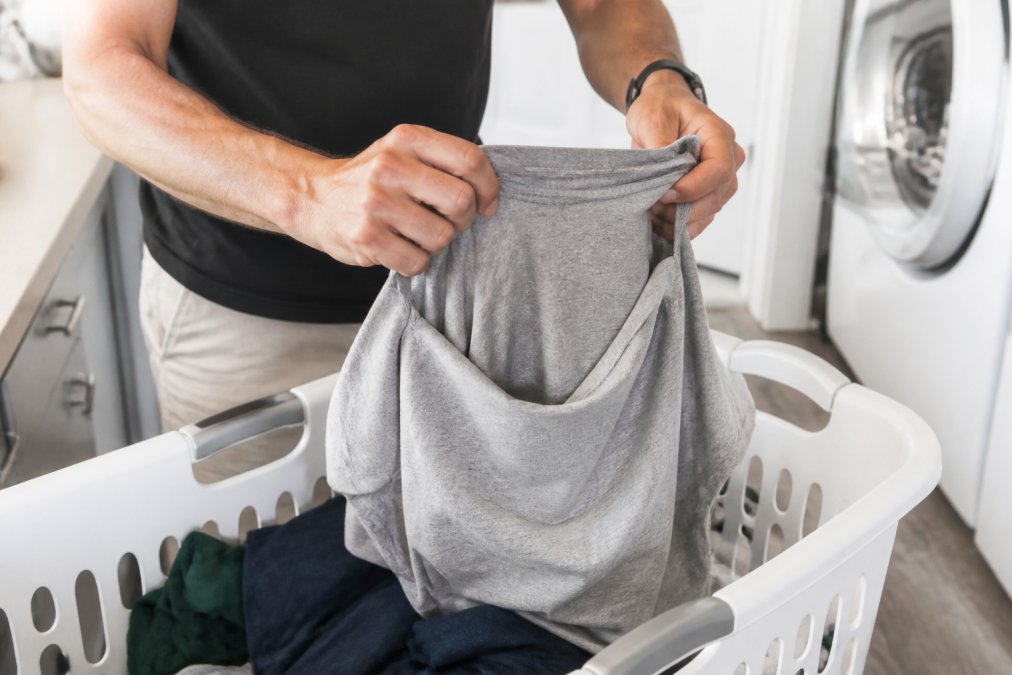
Turning a graphic tee inside out before it hits the wash is the single easiest habit that protects the print. This step keeps the design from rubbing against other clothes, zippers, and the drum itself. That friction is what dulls ink and cracks designs over time.
Here's how to do it right:
- Pull the shirt inside out so the printed side faces inward
- Smooth out any folds in the print before washing
- Zip up zippers and close buttons on nearby items
- Wash similar fabrics together to cut down on abrasion
Most people skip this step because it feels minor. In practice, it's the difference between a print that lasts months and one that lasts years.
Step 2: Choose the Best Detergent for Graphic Tees
The best detergent for graphic tees is a mild, bleach-free liquid formula, but the reason why matters more than the label. Most mainstream detergents are built around enzymes (proteases, amylases, lipases) and surfactants designed to break down organic matter. On an unprotected print, those same enzymes can attack the binder that holds pigment to the fabric, especially on water-based and discharge inks that sit closer to the fiber. That is why a print that looks fine after one wash can look chalky after twenty.
What to look for:
- Liquid detergent over powder (powders can leave residue that traps in the print texture)
- "Free and clear" or dye-free formulas with no optical brighteners
- No bleach, no bleach alternatives (oxygen boosters included)
- No fabric softener, no dryer sheets
- A pH-neutral or slightly alkaline formula rather than a heavy-duty enzyme blend
Fabric softener coats fabric fibers with a waxy layer. On screen printed shirts, that coating can lift the ink layer and dull color over time.
Match the detergent to the print method
| Print method | How the ink sits | Detergent approach |
|---|---|---|
| Plastisol screen print | Sits on top of the fabric as a plasticized layer | Standard mild liquid detergent is fine; avoid enzyme-heavy formulas over time |
| Water-based screen print | Soaks into the fibers and dyes them | Gentlest formula you can find; enzymes are the main risk to color depth |
| Discharge print | Chemically removes dye and replaces it with pigment | Treat like water-based; fading shows as a loss of contrast, not cracking |
| DTG (direct-to-garment) | Bonds a thin ink layer to the surface | Mild detergent, cold water, and no agitation boosters |
| Heat transfer / vinyl | A film adhered to the fabric | Mild detergent; avoid anything that softens adhesives, including fabric softener |
For a deeper look at how detergent ingredients interact with fabric and print surfaces, the Environmental Protection Agency's Safer Choice program breaks down what is in common cleaning products.
Step 3: Wash Graphic Tees in Cold Water on a Delicate Cycle
Cold water is non-negotiable if you want your colors to last. Heat is the enemy of both ink and cotton. Warm or hot water speeds up fading and shrinks fabric.
Set your machine to these settings:
| Setting | What to Choose | Why It Matters |
|---|---|---|
| Temperature | Cold | Protects ink and prevents shrinking |
| Cycle | Delicate or gentle | Reduces friction on the print |
| Spin speed | Low | Limits stress on fabric fibers |
| Load size | Small to medium | Gives clothes room to move |
Step 4: Air Drying vs Machine Drying Graphic Tees
Air drying is the safer choice for any graphic tee you care about. Heat from a dryer is the top cause of cracking and fading. If you must use a machine, tumble dry low and pull the shirt out while it's still slightly damp.
Here's the honest comparison:
- Hang dry: Best color retention, zero heat damage, takes longer
- Tumble dry low: Faster, some risk of cracking over time
- Tumble dry high: Never do this to a graphic tee
Step 5: How to Fix a Cracked Screen Print on a Shirt
You cannot fully reverse a cracked screen print, but you can slow it down and make it less visible. Once ink cracks, the fabric underneath shows through. The goal is to seal the edges and stop the crack from spreading.
Try this method:
- Turn the shirt inside out and place it on an ironing board
- Cover the printed area with a thin cotton cloth or parchment paper
- Set your iron to low heat, no steam
- Press gently for 10-15 seconds, moving the iron
- Let the shirt cool completely before wearing
Diagnose the damage before you try to fix it
The right repair depends on what kind of print you are looking at, and the symptoms are different for each:
- Cracked plastisol: Visible white lines where the ink layer split. Ironing helps. Prevention is cold water and low-heat drying.
- Faded water-based or discharge print: No cracks, just washed-out color. Ironing will not help, the dye has left the fiber. Color restoration is the only option.
- Lifted or peeling heat transfer: The film is separating from the fabric. Ironing can re-adhere small edges, but a fully lifted transfer usually cannot be saved.
- Cracked DTG: Fine hairline cracks in the ink layer. Ironing on low with a cloth barrier can help; high heat will make it worse.
How to revive a faded graphic tee
Most guides stop at prevention. If your shirt has already faded, there are a few things worth trying before you retire it:
- Fabric dye pens or markers matched to the print color can touch up small faded areas on solid-color graphics. Work in thin layers and let each dry.
- A color-safe dye bath can restore the garment's base color, but it will also tint the print unless the print is plastisol and you mask it. This is a last resort for a shirt you would otherwise discard.
- A fabric paint medium mixed with acrylic paint can rebuild a worn area on a plastisol print, but the texture will not match the original screen print.
How Water Hardness and Detergent Chemistry Affect Color Retention
Hard water leaves mineral deposits in fabric that dull colors over time. If your tap water is hard, you may notice shirts looking dingy even after washing. The minerals bind to fibers and trap detergent residue.
Common Mistakes That Fade Graphic Tees and How to Avoid Them
Most fading comes from a handful of repeat mistakes. Fix these and your prints will outlast the rest of your wardrobe.
- Washing in warm or hot water: Always use cold
- Using bleach or fabric softener: Skip both
- Drying on high heat: Air dry or tumble low
- Overloading the machine: Wash smaller loads
- Ironing directly on the print: Always use a cloth barrier
- Leaving shirts in direct sunlight to dry: Dry in shade
- Washing with rough fabrics like jeans or towels: Separate them
Here's a quick reference for building your routine:
| Problem | Fix | Why It Helps |
|---|---|---|
| Fading colors | Wash cold, air dry | Reduces heat and friction damage |
| Cracking print | Inside out, low spin | Protects ink from abrasion |
| Dingy fabric | Check water hardness | Removes mineral buildup |
| Stiff print | Skip fabric softener | Prevents coating on ink |
Frequently Asked Questions
How do I keep graphic tees from fading?
Wash graphic tees inside out in cold water on a delicate cycle, use a mild bleach-free detergent, and avoid the dryer. Heat and agitation are the two biggest causes of fading. Air drying in the shade also prevents UV damage that dulls water-based inks over time. Following these steps will help wash graphic tees to keep colors looking new for years.
Is OxiClean safe for graphic tees?
OxiClean and similar oxygen-based stain removers are generally safer for graphic prints than chlorine bleach, which breaks down ink pigments and cotton fibers. However, always test a small hidden area first. For stubborn stains on graphic tees, spot-treat with a mild detergent and cold water rather than soaking the entire garment in a strong solution.
Does hot water ruin graphic tees?
Hot water accelerates ink breakdown and causes cotton to shrink, which can distort the printed area. Always use cold water when you wash graphic tees to keep colors and print integrity intact. Cold water cleans effectively with modern detergents and is gentler on fabric and graphics.
Can I put graphic tees in the dryer?
You can, but tumble drying on low heat or air-drying is far better for print durability. High heat causes graphic cracking, fading, and fabric shrinkage. If you must use a dryer, choose the lowest heat setting and remove the shirt while slightly damp. Air drying flat or hanging in the shade is the safest method for preserving print colors.
Graphic tees fade for predictable reasons, and every one of them is preventable. Cold water, mild detergent, inside out washing, and air drying will keep your colors bright for years. When you want apparel that starts with crisp lines and true color, Unique Designs builds every piece with premium heavyweight cotton and detail-focused printing. Shop this collection and find designs made to last, from inspirational Christian themes to seasonal favorites.
